Most people imagine retirement as something they can control.
Work hard for 40 years. Save consistently. Invest wisely. Retire around age 65. Then finally enjoy the freedom that decades of hard work have earned.
It sounds like a solid plan.
Unfortunately, life rarely follows that script.
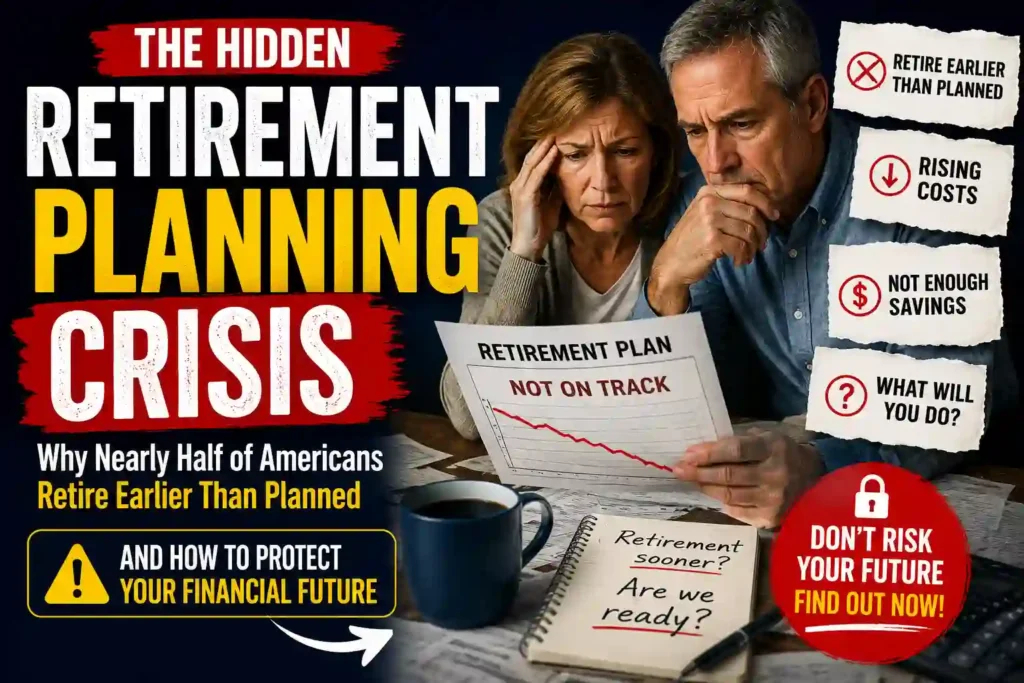
Many Americans who expected to retire at 65 or later end up leaving the workforce years earlier than planned. For some, it is a health crisis. For others, it is a layoff, company restructuring, burnout, or the unexpected responsibility of caring for a loved one. Instead of entering retirement on their own terms, they are forced into it before they feel financially ready.
That is why retirement planning is no longer just about investing enough money. It is about preparing for the unexpected.
A retirement plan that only works under perfect conditions is not really a plan at all. The strongest retirement strategies are built to survive career interruptions, market downturns, rising healthcare costs, inflation, and unexpected income loss.
In this guide, you’ll discover why so many retirement plans fail, the mistakes that cost retirees thousands of dollars, and practical strategies that can help protect your savings no matter what life throws your way.
If an unexpected layoff or early retirement puts pressure on your finances, consider exploring every option before withdrawing money from your retirement accounts. If you own a vehicle, a vehicle-backed revolving line of credit may provide temporary cash flow while allowing your investments to continue growing for the future.
Table of Contents
Why Retirement Planning Matters More Than Ever
Retirement planning has always been important, but today’s economic environment has made it even more critical.
People are living longer than previous generations. Healthcare costs continue to rise. Inflation steadily reduces purchasing power. At the same time, many employers have shifted away from traditional pension plans, placing much of the responsibility for retirement security on individual workers.
That means every financial decision made during a person’s working years can have a significant impact decades later.
A successful retirement plan is not simply about accumulating a large balance. It is about creating reliable income that can support your lifestyle throughout retirement while protecting your savings from unexpected events.
Good retirement planning helps you:
- Build long-term financial independence.
- Replace employment income after retirement.
- Prepare for inflation.
- Reduce unnecessary taxes.
- Manage investment risks.
- Handle medical expenses.
- Leave a financial legacy if desired.
- Reduce financial stress during retirement.
Most importantly, it provides flexibility when life does not go according to plan.
The Hidden Retirement Planning Problem Most People Never See Coming
Many workers spend decades focusing on one retirement target:
“I’ll retire at 65.”
The problem?
Life does not always wait for your schedule.
A growing number of Americans leave the workforce earlier than expected—not because they achieved financial independence, but because circumstances forced their hand. Unexpected health problems, corporate downsizing, caregiving responsibilities, or prolonged unemployment can abruptly end a career.
This single reality changes everything.
When retirement begins earlier than planned, several financial challenges happen at once:
- Retirement contributions stop.
- Investment growth slows.
- Living expenses continue.
- Healthcare costs often increase.
- Social Security decisions become more complicated.
Instead of spending the final years of employment strengthening retirement savings, many households suddenly find themselves trying to preserve what they have already built.
This is why retirement planning should include both expected milestones and unexpected setbacks.
What Happens Financially When You Retire Earlier Than Expected?
Leaving the workforce just a few years earlier than planned may not sound significant.
In reality, those few years can dramatically change your financial outlook.
You Lose Your Highest-Earning Years
For many professionals, their final working years are also their highest-paying years.
During this stage of life, people often:
- Earn their largest salaries.
- Receive larger bonuses.
- Maximize retirement contributions.
- Take advantage of employer matching.
- Accelerate debt repayment.
Missing these important earning years means losing valuable opportunities to strengthen retirement savings.
Compound Growth Has Less Time to Work
Compound growth is one of the greatest advantages long-term investors have.
Money invested today has years—or even decades—to generate additional returns.
When retirement begins early, investments lose valuable time to grow before withdrawals begin.
Instead of continuing to compound, retirement savings may need to support everyday living expenses much sooner than expected.
Even a relatively short interruption can reduce the long-term value of a retirement portfolio.
Retirement May Last Much Longer Than Expected
Living longer is a wonderful achievement.
Financially, however, it also means retirement savings may need to last 25, 30, or even 35 years.
That requires careful planning.
A retirement strategy designed for a 20-year retirement may struggle if retirement begins several years earlier and life expectancy continues to increase.
The Three Biggest Risks That Can Disrupt Retirement Planning
No one can predict the future.
However, understanding the most common retirement risks allows you to prepare before they happen.
1. Health Problems
Health remains one of the leading reasons people retire earlier than planned.
A serious illness or injury may reduce working hours or make continued employment impossible.
Beyond lost income, medical expenses can place additional pressure on retirement savings.
Planning ahead may include:
- Building larger emergency savings.
- Maintaining adequate health insurance.
- Contributing to a Health Savings Account (HSA), when eligible.
- Considering long-term care planning before retirement.
2. Unexpected Job Loss
Layoffs and company restructuring can happen without warning.
Older workers sometimes need significantly longer to find comparable employment, making retirement savings vulnerable during extended periods without income.
Preparing for this possibility includes:
- Maintaining an emergency fund.
- Keeping professional skills current.
- Reducing unnecessary debt.
- Diversifying income sources whenever possible.
3. Family Responsibilities
Many workers leave their careers temporarily—or permanently—to care for parents, spouses, or other loved ones.
These career interruptions often reduce retirement contributions while increasing household expenses.
Including caregiving scenarios in your retirement plan can help reduce the financial impact if family priorities suddenly change.
Why Waiting Until Retirement Age to Plan Is a Costly Mistake
One of the biggest misconceptions about retirement planning is believing it starts in your 50s or 60s.
The truth is much different.
Every year you delay saving gives compound growth less time to work.
Someone who starts investing consistently in their twenties often contributes far less money overall than someone who waits until their forties—yet may still retire with a larger portfolio simply because their investments had more time to grow.
That does not mean it is ever too late to start.
It simply means the earlier retirement planning begins, the more options become available later in life.
Even if retirement is only 10 or 15 years away, increasing contributions today can still make a meaningful difference.
Common Retirement Planning Mistakes That Can Cost Thousands
Many retirement setbacks are not caused by poor investment returns.
They result from avoidable planning mistakes.
Some of the most common include:
Assuming Retirement Will Happen Exactly as Planned
Few careers unfold perfectly over four decades.
Planning only for the ideal outcome leaves little room for unexpected events.
Underestimating Inflation
Prices rarely stay the same.
Even modest inflation gradually reduces purchasing power, making today’s retirement target less valuable in the future.
Ignoring Healthcare Costs
Medical expenses often become one of the largest retirement costs.
Planning for housing while overlooking healthcare creates an incomplete retirement strategy.
Depending Too Heavily on Social Security
Social Security provides valuable retirement income, but many households benefit from additional personal savings and investments.
Building multiple income sources creates greater financial flexibility.
Forgetting About Taxes
Taxes continue during retirement.
Understanding how withdrawals from different retirement accounts are taxed can help preserve more of your income.
The Biggest Retirement Planning Mistakes That Can Cost You Thousands
Understanding what can go wrong is just as important as knowing what to do right. Many retirees admit they wish they had approached retirement planning differently. Fortunately, learning from their experiences can help you avoid making the same costly mistakes.
Waiting Too Long To Start Saving
One of the most common retirement planning regrets is delaying retirement savings.
Many people believe they have plenty of time in their twenties and thirties. Others postpone saving because they are paying off debt, raising children, or buying a home.
The problem is that time is one of the greatest advantages in retirement planning.
Starting earlier gives compound growth decades to work in your favor. Even modest monthly contributions can grow substantially over a long investment horizon.
If you’re starting later than expected, don’t let that discourage you. Increasing your savings rate today is still far better than waiting another year.
Saving Without A Clear Retirement Planning Goal
Many workers contribute to retirement accounts simply because they know they should.
However, successful retirement planning begins with a destination.
Ask yourself:
- At what age would you like to retire?
- How much annual income will you need?
- Where do you plan to live?
- Will your mortgage be paid off?
- Do you plan to travel extensively?
- Will you continue working part-time?
Answering these questions makes it easier to determine how much you should be saving each month.
Without clear goals, retirement planning becomes guesswork.
Underestimating Healthcare Costs
Healthcare is often one of the largest retirement expenses.
Many people assume Medicare will cover everything.
Unfortunately, that isn’t the case.
Premiums, deductibles, prescription medications, dental care, vision care, hearing aids, and long-term care can all create significant expenses during retirement.
Planning for these costs early can prevent medical bills from disrupting your retirement lifestyle later.
If you’re eligible, contributing to a Health Savings Account (HSA) while you’re still working can become an important part of your overall retirement planning strategy.
Ignoring Inflation
One of the biggest mistakes in retirement planning is assuming today’s expenses will remain the same decades from now.
Inflation quietly reduces purchasing power every year.
What costs $50,000 annually today could require substantially more twenty years from now.
Your retirement investments need sufficient long-term growth to help offset inflation throughout retirement.
Assuming Nothing Will Go Wrong
Perhaps the biggest retirement planning mistake is building a plan around the best-case scenario.
Many workers assume they will:
- Never experience a layoff.
- Never develop a serious illness.
- Never become a caregiver.
- Never experience a major recession.
- Never need emergency financial assistance.
Real life rarely follows a perfect schedule.
The strongest retirement plans include contingency plans for unexpected events.
Social Security Should Complement Your Retirement Planning—Not Replace It
For many Americans, Social Security represents an important source of retirement income.
However, relying on it as your primary retirement strategy can significantly limit your financial flexibility.
One of the biggest decisions during retirement planning is determining when to begin claiming Social Security benefits.
Although claiming benefits at age 62 may seem attractive after an unexpected job loss, doing so permanently reduces your monthly benefit compared to waiting until your full retirement age.
For people who can afford to delay benefits, waiting may result in significantly higher lifetime income.
This is why retirement planning should include multiple income sources rather than depending entirely on Social Security.
Build A Retirement Plan That Can Survive Real Life
Retirement planning is no longer about creating a perfect spreadsheet.
It is about building financial resilience.
Here are practical strategies that can strengthen your retirement plan regardless of what life brings.
Build A Larger Emergency Fund
Traditional advice recommends maintaining three to six months of living expenses.
While that’s a good starting point, workers approaching retirement may benefit from maintaining a larger financial cushion.
Unexpected layoffs often last longer than expected.
Health issues may require extended recovery periods.
Family emergencies rarely arrive at convenient times.
Having additional cash reserves reduces the likelihood of withdrawing money from retirement accounts during temporary setbacks.
Even a healthy emergency fund has limits. If you’re a vehicle owner, having access to a vehicle-backed line of credit can provide additional flexibility during major financial emergencies without immediately liquidating long-term retirement investments. Knowing whether you qualify before an emergency occurs can give you valuable peace of mind.
Increase Retirement Contributions Whenever Income Increases
Every raise presents an opportunity to strengthen your retirement planning.
Instead of allowing lifestyle inflation to consume every salary increase, consider directing part of each raise toward retirement savings.
Small increases today can produce meaningful results over the next twenty or thirty years.
Workers aged 50 and older should also take advantage of catch-up contribution opportunities whenever possible.
Diversify Your Retirement Income
Relying on a single income source increases financial risk.
A diversified retirement plan may include:
- Social Security
- Employer retirement plans
- Individual Retirement Accounts (IRAs)
- Taxable investment accounts
- Pension income
- Rental income
- Part-time consulting
- Dividend-paying investments
The more diversified your retirement income becomes, the better prepared you’ll be for unexpected events.
Plan For Career Interruptions
Career interruptions are no longer unusual.
Whether caused by layoffs, caregiving responsibilities, or health issues, temporary income loss should already be part of your retirement planning assumptions.
Ask yourself:
- How long could your household operate without employment income?
- Would your emergency savings cover twelve months?
- Which expenses could be reduced immediately?
- What alternative income sources could you access?
One mistake many people make during layoffs is immediately withdrawing retirement savings. Before reducing the investments you’ve spent decades building, it may be worth reviewing alternative financing solutions that can help bridge a temporary income gap while preserving your long-term retirement goals.
Your Retirement Planning Checklist
A successful retirement plan isn’t built overnight.
Instead, it develops through consistent action.
Review this checklist regularly:
- Define your target retirement age.
- Estimate your retirement income needs.
- Increase retirement contributions every year.
- Maintain an emergency fund.
- Pay down high-interest debt.
- Diversify retirement investments.
- Review beneficiary designations.
- Plan for healthcare expenses.
- Delay Social Security if financially possible.
- Review your retirement plan annually.
- Stress-test your plan against unexpected early retirement.
- Create a backup income strategy.
Completing this checklist won’t eliminate every financial surprise, but it can significantly improve your long-term retirement readiness.
Frequently Asked Questions About Retirement Planning
What is retirement planning?
Retirement planning is the process of preparing financially for life after your working years. It involves estimating future expenses, building retirement savings, creating reliable income sources, planning for healthcare costs, and preparing for unexpected events like layoffs or early retirement.
Why is retirement planning important?
Retirement planning helps ensure you have enough income to maintain your lifestyle after leaving the workforce. It also prepares you for unexpected challenges such as medical emergencies, job loss, inflation, or market downturns.
When should you start retirement planning?
The best time to begin retirement planning is as early as possible. Starting sooner allows your investments more time to benefit from compound growth, reducing the amount you need to save each month later in life.
How much should I save for retirement?
The amount depends on your desired retirement lifestyle, expected retirement age, current income, future expenses, and other income sources. Many financial professionals recommend saving between 15% and 20% of your annual income throughout your career whenever possible.
What is the biggest retirement planning mistake?
One of the biggest mistakes is assuming you’ll be able to work until your planned retirement age. Unexpected layoffs, health issues, or family responsibilities can force retirement years earlier than expected.
Why do so many Americans retire earlier than planned?
Unexpected health problems, corporate downsizing, caregiving responsibilities, workplace burnout, and economic conditions are among the most common reasons workers retire sooner than expected.
How does retiring early affect retirement planning?
Early retirement reduces earning years, shortens investment growth, increases the number of retirement years your savings must cover, and may reduce Social Security benefits if claimed early.
How often should I review my retirement plan?
Review your retirement planning strategy at least once a year or whenever a major life event occurs, such as changing jobs, getting married, receiving an inheritance, experiencing a health issue, or preparing for retirement.
Should I pay off debt before retirement?
Reducing high-interest debt before retirement is generally beneficial because it lowers your monthly expenses. However, every financial situation is different, so retirement planning should consider your interest rates, investment returns, and overall financial goals.
What role does an emergency fund play in retirement planning?
An emergency fund helps cover unexpected expenses without forcing you to withdraw money from retirement accounts or sell investments during unfavorable market conditions.
Should I withdraw retirement savings during a financial emergency?
Retirement accounts should generally be viewed as long-term assets. Early withdrawals can reduce future retirement income and may have tax consequences. Before accessing retirement savings, review every available financial option that could help bridge a temporary income gap.
Can a line of credit help protect retirement savings?
In some situations, yes.
If an unexpected layoff, illness, or temporary income interruption creates financial pressure, using an appropriate line of credit may help cover essential expenses while allowing retirement investments additional time to recover or continue growing.
If you own a vehicle, checking whether you qualify for a vehicle-backed line of credit before an emergency happens may give you another financial safety net while helping protect the retirement savings you’ve spent years building.
How does inflation affect retirement planning?
Inflation gradually reduces purchasing power. Retirement planning should include investments with long-term growth potential to help offset rising living expenses throughout retirement.
Should I rely only on Social Security?
No. Social Security should usually be viewed as one part of a broader retirement planning strategy rather than your sole source of retirement income.
What happens if I claim Social Security early?
Claiming Social Security before your full retirement age generally results in permanently lower monthly benefits compared to waiting until your full retirement age or later.
What is a diversified retirement plan?
A diversified retirement plan combines multiple income sources such as retirement accounts, investments, Social Security, pensions, rental income, and other assets to reduce financial risk.
How can I catch up if I started saving late?
Increase your retirement contributions whenever possible, reduce unnecessary spending, take advantage of catch-up contribution rules if eligible, delay retirement if practical, and regularly review your investment strategy.
What expenses should retirement planning include?
Your retirement budget should account for housing, healthcare, insurance, food, transportation, taxes, travel, utilities, entertainment, inflation, and emergency expenses.
How much cash should retirees keep available?
The right amount depends on individual circumstances. Many retirees maintain several months of living expenses in readily accessible savings to help manage unexpected costs without selling long-term investments.
Can layoffs permanently affect retirement planning?
Yes. Extended unemployment can reduce retirement contributions, interrupt investment growth, and force withdrawals from retirement savings if adequate emergency resources are unavailable.
How can I prepare for an unexpected early retirement?
Build a larger emergency fund, diversify income sources, minimize high-interest debt, increase retirement savings, maintain appropriate insurance coverage, and regularly stress-test your retirement plan against unexpected life events.
Is healthcare one of the biggest retirement expenses?
Yes. Healthcare often becomes one of the largest ongoing expenses during retirement, making it an essential part of comprehensive retirement planning.
Should I continue investing after age 50?
Many investors continue contributing to retirement accounts throughout their working years. Individuals aged 50 and older may also qualify for additional catch-up contributions that can strengthen retirement savings.
What should I do if my retirement plan falls behind?
Review your current savings rate, reduce unnecessary expenses, increase retirement contributions where possible, delay retirement if practical, and develop a realistic plan to improve long-term financial security.
What is the most important retirement planning lesson?
Retirement planning isn’t about predicting the future perfectly.
It’s about building enough flexibility that unexpected events—whether a layoff, illness, market downturn, or family emergency—don’t permanently derail your financial future.
Protect Your Retirement Plan Before Life Tests It
No retirement planning strategy can prevent every surprise.
Life will always bring unexpected challenges.
The goal isn’t to predict every obstacle—it’s to prepare for them.
Building retirement savings, maintaining an emergency fund, diversifying your investments, planning for healthcare expenses, and reviewing your strategy regularly all improve your financial resilience.
But there’s another lesson many people don’t discover until it’s too late: having financial options before you need them can make all the difference.
If you own a vehicle, consider checking whether you qualify for a vehicle-backed line of credit before an emergency happens. Knowing your options ahead of time may help you bridge temporary financial setbacks without immediately disrupting the retirement savings you’ve worked so hard to build.