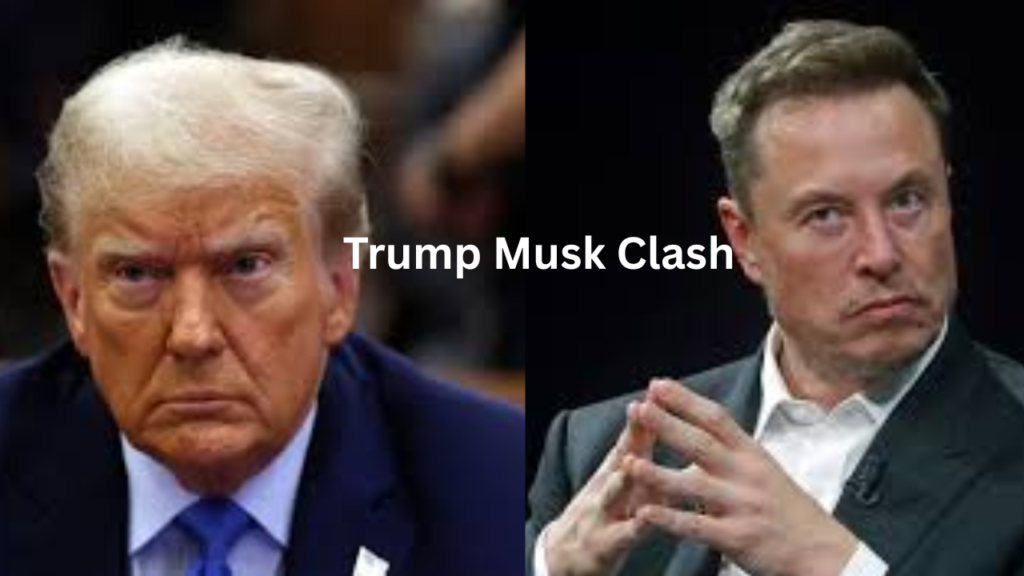
Once seen as a powerful team, Donald Trump and Elon Musk are now locked in a public fight that’s drawing attention from Washington to Silicon Valley. What started as a promising partnership between the former U.S. president and the world-famous tech billionaire has turned into a heated feud. Their falling out shows how quickly powerful relationships can break apart—and why it matters to the future of technology, politics, and business in America.
Table of Contents
The Beginning: A Shared Vision for Change
At first, Trump and Musk seemed like a perfect match. Trump, during his second term as president, appointed Musk to lead a new government group focused on improving how things work in Washington. This group, called the Department of Government Efficiency, was meant to make the federal government run more like a business—fast, smart, and cost-effective.
Musk brought his bold ideas and high-tech vision, and Trump brought the power to make things happen. They praised each other publicly and appeared together at events, presenting themselves as a dream team ready to shake things up.
The Big Problem: A Controversial Government Bill
The friendship started falling apart when Trump introduced a huge new bill. This bill was meant to change taxes and federal spending. Trump called it the “One Big Beautiful Bill.” He claimed it would lower taxes, cut wasteful programs, and boost the economy.
But Musk didn’t agree. He slammed the bill, saying it was “a mess” and would hurt the country. Musk was especially upset because the bill included cuts to important programs like Medicaid (which helps low-income people with healthcare) and removed tax credits that helped people buy electric vehicles—something important to Musk’s car company, Tesla.
Musk spoke out strongly. He said the bill would make things worse for working families, slow down clean energy progress, and increase the national debt. He called on Congress to stop “The One big beautiful bill” and make changes that were more fair and future-focused.
Trump Fires Back: “You’re Just Worried About Yourself”
Trump didn’t take the criticism lightly. He hit back hard, accusing Musk of only caring about his own profits. Trump claimed Musk was mad about losing government support for electric vehicles and that he was using his platform to attack the bill for selfish reasons.
Then things got even more serious. Trump said he might cancel federal contracts with Musk’s companies—like SpaceX and Tesla—if the billionaire kept attacking the bill. That would mean pulling government money from some of Musk’s biggest projects, including space missions and green energy efforts.
Musk didn’t back down. He called Trump’s threats un-American and said leaders should welcome honest feedback, not punish people for speaking out. The argument became a full-blown war of words, with both sides trading insults online and in interviews.
The Fallout: Tech Industry Feels the Heat
The fight between Trump and Musk isn’t just a personal drama—it’s creating big waves across the tech world.
Other tech leaders are now nervous. Many are wondering if they too might face punishment for criticizing the government. Some are even rethinking their support for Trump and trying to stay out of the spotlight.
Investors are also worried. Stocks in tech companies with ties to Musk took a hit after the feud went public. People fear that if Trump follows through on his threats, it could affect not just Musk, but the entire industry.
This fight also raises deeper questions: How should tech companies work with the government? What happens when powerful people disagree? And can innovation and politics ever truly work together without clashing?
What This Means for the Future
The breakdown between Trump and Musk is more than just a headline. It’s a warning sign about how fragile big partnerships can be, especially when strong personalities are involved.
For Musk, the fight may push him to take a more independent path, avoiding government help in future projects. For Trump, the feud might hurt his standing with some business leaders who once saw him as a supporter of innovation.
For the rest of us, it’s a reminder that big changes in politics and business don’t happen without conflict. The Trump Musk relationship may have started with big dreams, but its collapse shows that when money, power, and ego collide, the results can be explosive.
FAQs
Why Did Trump And Musk Start Fighting?
They began fighting over a big government bill. Musk didn’t like it and said it would hurt people and businesses. Trump didn’t like being criticized and said Musk only cared about his own company profits.
What Was Musk’s Main Issue With The Bill?
Musk was angry that the bill cut funding for healthcare and removed tax credits for electric cars. He believed the bill would hurt regular people and slow down progress in clean energy.
How Did Trump Respond To Musk’s Comments?
Trump said Musk was just upset because the bill would hurt his companies. He even threatened to pull government contracts from Musk’s businesses.
How Is The Tech World Reacting To The Feud?
Many tech leaders are now worried about speaking out. Some are keeping quiet, while others are reconsidering their support for Trump. There’s also concern about how the fight might affect investments and policies.
What Roles Did Trump And Musk Previously Play In Each Other’s Success?
Trump invited Musk to join his economic advisory board in 2016, praising his innovation. Musk’s involvement gave credibility to Trump’s business image. In return, Musk gained political access and influence on policy areas like energy and space. Their relationship started as mutually beneficial, with each leveraging the other’s public profile for strategic gains.
Did Musk Support Trump During His Re-Election Campaign?
No, Elon Musk did not officially support Trump during his re-election campaign. Although they worked together briefly in Trump’s first term, Musk distanced himself due to disagreements over climate change and social policies. He eventually voiced criticism of both parties, maintaining a more centrist and independent political stance throughout the 2020 election cycle.
Was Their Relationship Always Friendly?
Not really. Their relationship has always been complicated. While they started on relatively friendly terms, public disagreements over climate change, immigration, and pandemic response created tension. Musk even left Trump’s advisory councils after the U.S. withdrew from the Paris Climate Agreement, showing that their alliance was never built to last long-term.
What Led To Their Collaboration On Government Reform?
Their collaboration on government reform was driven by shared interest in reducing bureaucracy and promoting innovation. Trump admired Musk’s entrepreneurial spirit, while Musk saw a chance to modernize outdated systems. Musk’s role was more advisory, offering insights on streamlining federal agencies and improving efficiency through technology before politics strained the partnership.
What Is The Department Of Government Efficiency, And Why Was Musk Chosen To Lead It?
The Department of Government Efficiency was a proposed task force aimed at cutting red tape and improving operations across federal agencies. Musk was tapped to lead due to his reputation for innovation and problem-solving. Trump believed Musk could bring Silicon Valley thinking into Washington, though the initiative quickly fizzled amid political friction.
How Long Did Trump And Musk Work Together Before The Fallout?
They collaborated off and on for about two years, from 2016 through early 2018. Musk served briefly on two advisory councils but resigned in 2017. Although they interacted occasionally afterward, growing disagreements over policy and Musk’s increasing criticism of government inefficiency led to a more pronounced fallout by 2020.
Did Musk Help Shape Any Major Policies During His Time Working With Trump?
Musk provided input on infrastructure and energy policy, especially clean energy and space exploration. While none of his suggestions became landmark policies, his early involvement helped steer conversations around sustainable energy and innovation. However, his influence faded after he publicly disagreed with several of Trump’s policy decisions and resigned from advisory roles.
How Has Musk Reacted To Other Government Bills In The Past?
Musk has a history of criticizing government bills that he views as harmful to innovation or business. He’s clashed with proposed EV tax changes, COVID restrictions, and space industry regulations. His reactions often go public via social media, where he uses his platform to rally support and challenge what he sees as bad governance.
Has Trump Clashed With Other Tech Leaders Like He Has With Musk?
Yes, Trump has had public disputes with other tech figures, including Jeff Bezos and Tim Cook. He frequently criticized Amazon over taxes and The Washington Post, which Bezos owns. The relationship with Musk stands out because of their initial cooperation, which made the eventual fallout more dramatic and widely discussed.
Why Did Trump Choose To Go After Musk’s Companies Directly?
Trump likely targeted Musk’s companies as a way to assert dominance and respond to Musk’s criticism. By threatening tax incentives and government contracts, Trump aimed to hit where it hurts—Musk’s business empire. It was both a political and strategic move to remind tech leaders of the risks of opposing his administration.
Is This Feud Personal Or Political—Or Both?
It’s both. Politically, it stems from policy disagreements and Musk’s independent stances. Personally, Trump is known to take criticism poorly, and Musk’s growing public opposition likely felt like a betrayal. The feud escalated from ideological differences into personal attacks, with both using their platforms to jab at each other.
Has Musk Ever Publicly Supported Any Of Trump’s Previous Policies?
Yes, Musk expressed support for some of Trump’s infrastructure and space exploration initiatives early on. He also welcomed efforts to streamline business regulations. However, he quickly distanced himself when Trump pulled out of the Paris Agreement, signaling that his support was conditional and tied more to innovation than ideology.
What Kind Of Tax Credits Were Removed In The Bill That Upset Musk?
The bill removed key EV tax credits that directly benefited Tesla buyers, especially the federal $7,500 incentive for electric vehicles. It also proposed cutting subsidies for solar energy and certain manufacturing initiatives. These changes could significantly impact Tesla’s affordability and growth, making Musk vocal about the bill’s potential damage.
How Much Money Could Musk’s Companies Lose If Trump Cuts Federal Contracts?
Musk’s companies could face billions in losses. SpaceX alone has several multi-year NASA and Department of Defense contracts. Tesla could also lose access to tax credits and energy grants. Without these government partnerships, both companies would be forced to pivot strategy, potentially delaying major projects and cutting future innovation budgets.
Which Of Musk’s Businesses Would Be Most Affected By The Loss Of Government Support?
SpaceX would be hit the hardest. It relies heavily on government contracts from NASA and the Department of Defense. Starlink, its satellite internet venture, is also tied to federal funding in rural broadband programs. Tesla would also feel the sting, especially from lost EV tax incentives and clean energy rebates.
How Have Tesla And SpaceX Stocks Reacted To The News Of The Feud?
Tesla stocks saw a brief dip following the announcement of the feud, mostly due to investor fears about the removal of EV credits. SpaceX, being privately held, doesn’t trade on the stock market, but insiders reported growing concerns about federal funding risks. Overall, markets are watching closely for long-term policy shifts.
Did Trump Accuse Musk Of Trying To Manipulate Public Opinion For Profit?
Yes, Trump accused Musk of using social media and public statements to manipulate markets and public opinion in favor of his companies. He claimed Musk was playing both political sides to protect business interests. The accusation came after Musk publicly criticized Trump’s proposed changes to energy and tech policy.
Did Musk Say Anything About The Fairness Or Ethics Of The Bill?
Musk called the bill “politically motivated” and “anti-innovation.” He argued that it unfairly penalized companies pushing clean technology while rewarding outdated industries. He framed the legislation as a step backward, hurting not just his companies but also the country’s progress in sustainable energy, transportation, and space leadership.
Was There Any Private Meeting Between The Two Before Things Went Public?
There’s no official confirmation of a private meeting, but some insiders say there were last-ditch attempts at communication. Rumors suggest Musk and Trump spoke briefly through intermediaries before the public fallout. However, nothing substantive came of it, and the feud eventually spilled into the open through interviews and social media.
Did Any Other Public Figures Try To Mediate The Feud?
Yes, a few prominent business leaders and former Trump allies reportedly tried to de-escalate the situation. Some believed the feud was damaging for both sides, especially for the tech industry’s relationship with government. However, their efforts didn’t go far, and the clash only intensified in the following weeks.
How Have Musk’s Fans Reacted To His Fight With Trump?
Musk’s fans are mostly backing him, applauding his courage to stand up to political pressure. Many see him as a visionary unwilling to compromise his values for political favor. However, a minority of conservative-leaning supporters have expressed disappointment, especially those who still align closely with Trump’s policies and leadership style.
What’s The General Public’s Opinion On The Feud?
Public opinion is split. Some admire Musk for speaking out and see the feud as a necessary check on political power. Others view it as a billionaire ego clash with little real benefit for average Americans. The debate has sparked broader conversations about how tech leaders should interact with government.
Have Any Politicians Publicly Supported Musk In This Dispute?
Yes, several centrist and progressive lawmakers have voiced support for Musk’s criticism of anti-tech and anti-innovation policies. They argue that targeting companies like Tesla and SpaceX could harm U.S. leadership in green tech and space. However, some Democrats still remain skeptical of Musk’s growing political influence and unpredictable views.
Have Any Republican Lawmakers Taken Sides In The Conflict?
A few Republican lawmakers have quietly distanced themselves from Trump’s attacks on Musk, especially those representing districts with Tesla factories or SpaceX projects. Others have stayed silent, unwilling to antagonize either side. So far, no major Republican figure has openly taken a strong stand in favor of Musk.
What Does This Conflict Reveal About The Relationship Between Politics And Tech?
It shows how fragile the alliance between politics and tech can be. Mutual benefit often drives early cooperation, but when values clash—especially over regulation, climate, or taxes—tensions rise fast. The feud highlights the challenges of balancing innovation with political control in a world where tech leaders wield massive influence.
How Might This Feud Affect Future Government Partnerships With Tech Giants?
The feud may make tech companies more cautious about forming government alliances. It could also push future administrations to rethink how they handle public-private partnerships. If relationships are seen as unstable or politically risky, some firms might look abroad or avoid contracts that come with too much political baggage.
Could This Conflict Influence The 2028 Presidential Election?
Definitely. If the feud continues, it could influence public perceptions of both Trump and Musk. Voters may view the clash as a symbol of deeper issues between innovation and government. If Musk backs another candidate or speaks out more during the election season, his voice could sway key voter groups.
Is Musk Considering Backing Another Political Candidate?
There’s growing speculation that Musk might support a more moderate or independent candidate in the future. He’s been vocal about his dissatisfaction with both major parties and has hinted at backing candidates who prioritize innovation, free speech, and space exploration. However, he hasn’t endorsed anyone officially—yet.
What Does This Say About Trump’s Approach To Handling Criticism?
It confirms that Trump takes criticism personally and often responds forcefully, especially if it comes from former allies. Instead of quietly disengaging, he tends to escalate the issue, using media and political tools to retaliate. This pattern makes working with Trump a high-stakes gamble for public figures and business leaders.
Could This Feud Damage Musk’s Reputation In Washington?
Yes, the feud may hurt Musk’s image among key decision-makers. While some admire his boldness, others in Washington see his comments as reckless. His companies rely on federal support, so being seen as combative could strain relationships with lawmakers and agencies essential to Tesla, SpaceX, and other Musk-led ventures.
Has The Feud Affected Any Ongoing Space Programs Or Projects?
So far, no major projects have been canceled, but tensions are rising. NASA continues working with SpaceX due to its unmatched capabilities. However, behind the scenes, there’s growing concern that political pressure might affect future contract renewals or slow approval processes, especially if Trump regains influence over space-related funding.
Is There A Risk Of Musk Pulling Tesla Or SpaceX Operations Out Of The U.S.?
It’s unlikely Musk would fully relocate Tesla or SpaceX abroad, but he could shift manufacturing or R&D to more business-friendly countries. He’s done it before, expanding Tesla’s footprint in China and Germany. If the U.S. becomes too politically hostile, he may accelerate global diversification to protect his ventures.
Will This Feud Slow Down Federal Investment In Clean Energy?
Yes, it could. The feud adds tension to an already polarized debate over clean energy. If political leaders begin associating clean tech with Musk personally, it might stall bipartisan support for new funding. Some lawmakers may back away from green initiatives simply to avoid appearing aligned with Musk.
Has This Conflict Made Other Entrepreneurs More Cautious About Politics?
Absolutely. Many CEOs are quietly reassessing how involved they want to be in politics. Watching a high-profile clash like this reminds entrepreneurs that taking a public political stance—even with good intentions—can quickly backfire. The Musk-Trump fallout is becoming a cautionary tale in Silicon Valley boardrooms.
Is There A Risk Of A Wider War Between Government And Tech?
That risk is growing. The feud reflects deeper tensions between disruptive tech and traditional politics. As tech leaders gain influence, some politicians feel threatened and push back. If more confrontations emerge like this one, we could see a broader battle over regulation, data control, and innovation policy.
Could Musk Launch His Own Political Movement Or Party?
It’s possible. Musk has the influence, followers, and resources to launch a tech-focused, innovation-driven political movement. While he’s denied interest in running for office, he’s hinted at supporting candidates who align with his vision. A future political platform centered on space, AI, and energy isn’t out of the question.
How Is The Media Portraying This Feud?
The media is split. Some outlets frame Musk as a visionary standing up to political intimidation, while others paint him as a billionaire overstepping bounds. Trump’s team gets similar treatment, depending on the outlet’s bias. Overall, headlines are feeding the drama, keeping the feud alive in public discourse.
Is The Public Siding More With Musk Or With Trump?
It depends on the audience. Tech-savvy and younger voters tend to side with Musk, valuing innovation and independence. Trump loyalists, however, often see Musk’s criticism as betrayal. The split reflects broader political polarization in the country, with public opinion breaking down along partisan and generational lines.
Have Any Protests Or Demonstrations Occurred Because Of This Conflict?
There haven’t been large-scale protests yet, but online communities have been buzzing. Supporters on both sides have launched hashtag campaigns and petitions. If the conflict escalates further—especially with job losses or canceled programs—public demonstrations tied to Musk’s or Trump’s influence could become more likely.
What Does This Mean For Future Government Innovation Projects?
Future innovation projects may face more scrutiny. Agencies could hesitate before partnering with outspoken entrepreneurs. Political leaders might favor companies that stay apolitical. At the same time, it could spark demand for clearer boundaries and contracts to protect tech initiatives from political fallout like this.
Could This Impact AI And Space Exploration Funding?
Yes. Both AI and space exploration rely heavily on bipartisan funding and stable partnerships. If Musk becomes a political target, lawmakers might cut or redirect funding out of caution. The feud risks undermining momentum in these critical sectors by politicizing what were previously nonpartisan innovation efforts.
Has This Feud Sparked More Political Division In Silicon Valley?
Yes, it’s added fuel to an already complex environment. Some tech leaders back Musk’s stance, while others fear it could provoke stricter regulation. Silicon Valley is increasingly being forced to take political positions, and this high-profile fight has sharpened internal divisions over how to engage with government.
Are Other Billionaires Speaking Out About This Feud?
Most billionaires are staying quiet. A few, like Mark Cuban, have made vague comments about the risks of mixing business with politics. Many prefer to observe from the sidelines, not wanting to become the next target. Publicly, the silence speaks volumes about how tense this moment is in elite circles.
What Lessons Can Future Political Leaders Learn From This Situation?
One major lesson: treat tech leaders as partners, not pawns. Political leaders should recognize the mutual benefits of working with innovators while setting clear expectations. Open communication, respect for boundaries, and less personalization of criticism could prevent future conflicts like the Musk-Trump fallout from spiraling out of control.
Could The Feud Impact Government Regulations On EVs Or Space Travel?
Definitely. The feud has already sparked discussions about tightening EV tax credits and space contract rules. Lawmakers may reevaluate policies to ensure no one company gets “too much” support. While some changes may be justified, others could be driven more by politics than by policy.
Did This Bill Receive Support From Both Political Parties?
It received mixed support. While a few elements attracted bipartisan interest—like cutting spending—most Democrats opposed it due to the attack on green energy programs. Some Republicans backed it as a symbolic rebuke to tech influence, but the bill’s anti-Musk language made it controversial across the aisle.
How Is Wall Street Reacting To The Trump Musk Conflict?
Wall Street’s response has been cautious. Tesla saw some market volatility after the feud escalated. Investors are watching closely, especially those tied to federal contracts or clean energy incentives. While Musk’s companies are resilient, the risk of regulatory retaliation makes some shareholders nervous about long-term political fallout.
Could This Battle Inspire Tech Leaders To Run For Office?
Yes, it’s becoming more likely. Some tech leaders believe politics is too slow or broken to keep up with innovation. Seeing Musk challenged by politics might push others to enter the arena directly, either to protect their interests or shape policy themselves. The line between business and politics keeps blurring.
What’s The Risk Of Musk Suing The Government Over Broken Contracts?
The risk is real. If Musk believes his companies were unfairly targeted or contracts were canceled without cause, he could sue for damages. SpaceX, in particular, has legal grounds if contractual obligations are breached. Legal battles would only deepen the feud and complicate public-private partnerships going forward.
How Long Is This Feud Expected To Last?
It could linger through the next election cycle, especially if Trump remains politically active and Musk continues speaking out. Unless one side backs down or shifts focus, this feud may become a recurring flashpoint in future debates about innovation, regulation, and billionaire influence in American politics.
Are Trump’s Supporters Now Boycotting Musk’s Companies?
Some are. There’s been chatter online about boycotting Tesla and canceling Starlink. However, the boycott is not widespread yet. Many consumers still use Musk’s products because of their quality and uniqueness. But if the feud intensifies, these efforts could grow and start to impact public perception more significantly.
Are Musk’s Supporters Turning Away From Trump?
A noticeable chunk of Musk’s fans—especially younger, tech-driven voters—are distancing themselves from Trump. They admire Musk’s innovation and boldness more than traditional politics. Some have even voiced regret for previously supporting Trump. This rift may become deeper if Musk starts aligning more publicly with alternative political movements.
Could This Feud Open The Door For International Companies To Step In?
Yes. As the U.S. gets tangled in political spats, international firms may seize the opportunity to grow their influence. Companies from Europe or Asia could attract government contracts or market share Musk’s firms risk losing. If Washington appears unfriendly to innovation, global competitors won’t hesitate to fill the gap.
How Has Musk’s Personal Brand Been Affected By This?
Musk’s brand as a rebellious innovator is stronger than ever among his core followers. But politically, his reputation has become more divisive. Some see him as a courageous truth-teller, others view him as a destabilizing force. His brand is evolving—from tech mogul to a highly influential political voice.
Will SpaceX Continue Working With NASA Amid The Feud?
Yes—for now. NASA is a science-first agency and values SpaceX’s capabilities. They’re trying to stay neutral and keep operations running smoothly. But if political pressure increases or funding is jeopardized, even longstanding partnerships like this one could be tested. NASA’s future collaborations will depend heavily on political stability.
Could This Situation Lead To New Lobbying Efforts In Washington?
Definitely. This feud is already encouraging more tech companies to invest in lobbying. They want to protect their interests and influence legislation before becoming the next target. Expect an uptick in political donations, policy advisors, and think tank partnerships as Silicon Valley ramps up its defense strategy in D.C.
Is Musk Changing His Strategy In Dealing With Politics?
Yes. Musk is shifting from passive engagement to active participation. He’s speaking out more, challenging policies directly, and hinting at long-term political involvement. He’s learning that silence doesn’t protect innovation. This change signals a broader strategy: be vocal, be visible, and defend tech interests head-on.
Could Trump Create His Own Tech Company As A Response?
He might. Trump has already launched Truth Social and explored tech ventures to bypass traditional platforms. Creating a tech company as a direct counter to Musk’s influence wouldn’t be surprising. It could be aimed at rallying conservative support, challenging Silicon Valley, or asserting dominance in digital communication spaces.
Are Younger Voters Paying Close Attention To This Battle?
Yes, younger voters are watching closely. Many admire Musk’s boldness and see the feud as a symbol of generational and technological change. They’re also wary of political overreach into innovation. This battle may shape how Gen Z and millennials view political candidates who either support or attack tech entrepreneurs.
Could This Story Become A Major Issue In Upcoming Political Debates?
It already is. As candidates discuss the role of tech, innovation, and corporate influence, the Musk-Trump feud will be referenced. Expect moderators to ask about government overreach, EV subsidies, and the future of space programs. This clash sets the stage for deeper conversations in 2028’s presidential debates.
What Could Happen Next?
The feud might lead to lasting changes. Musk may distance himself from government support, and other tech companies might try to avoid political fights. It could also shape future policy decisions in Washington.

